


Alliance Introduction
About Alliance
Promote the preservation and utilization of rural landscapes and seascapes, mainstream community resilience and sustainability values, facilitate international and domestic exchanges, and support the sustainable development of agriculture, fishing, and mountain villages in Taiwan.
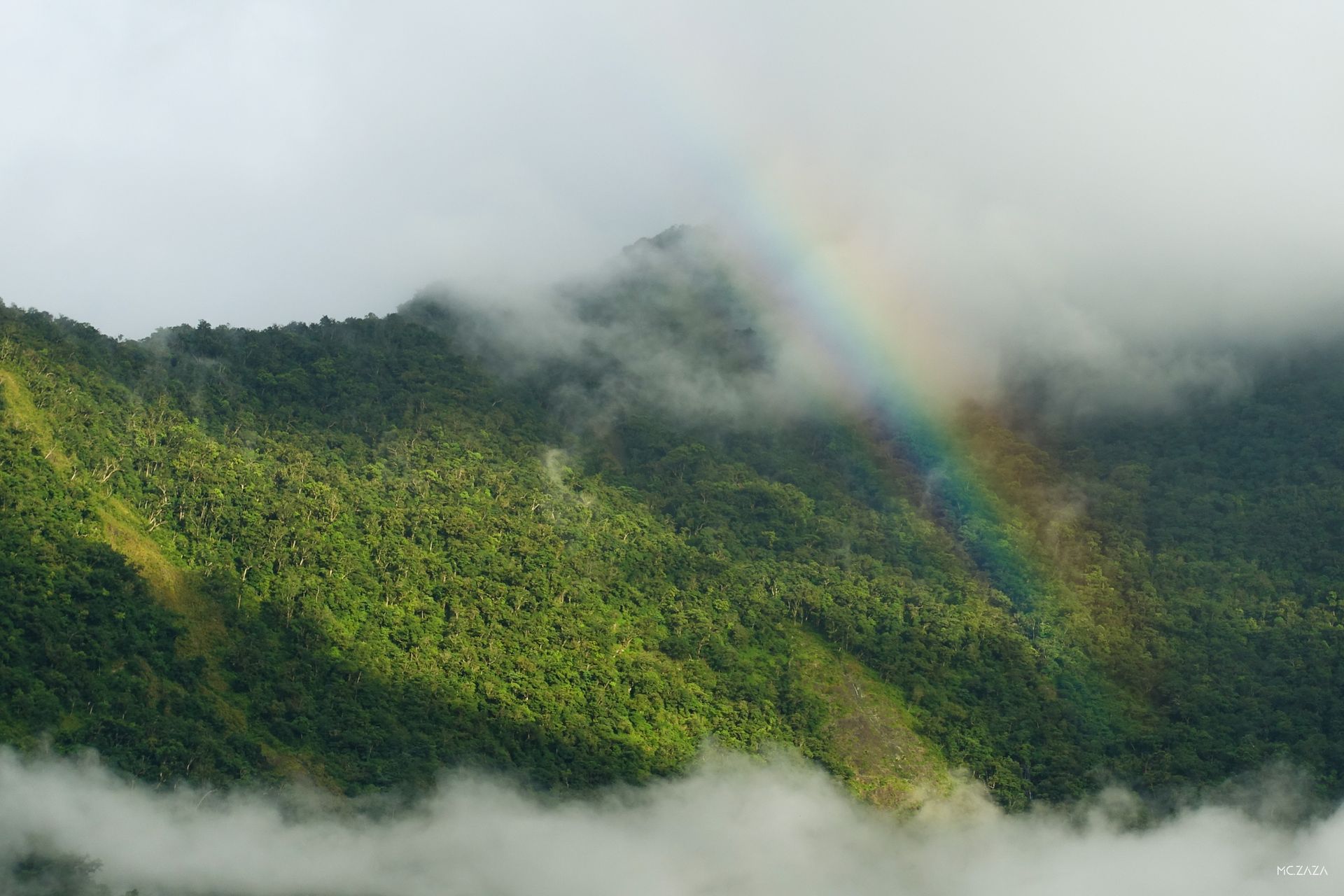
⊙ Taiwan Satoyama Sustainable Innovation Alliance
Community forestry and the Satoyama Initiative have become important ways of thinking and practice that connect biodiversity conservation, local revitalization and community sustainable development. In order to integrate the power of policy innovation and local practice, the "Taiwan Alliance of Satoyama Innovation for Sustainability (TASIS)" was jointly launched by Professor Li Guangzhong of National Dong Hwa University, Professor Chen Meihui of National Pingtung University of Science and Technology, Teacher Huang Xinxun of Dharma Drum College of Liberal Arts, Group Leader Xue Meili of the Institute of Biodiversity Research, Ministry of Agriculture, and community organization leaders from all over the country who have long been engaged in community forestry, Satoyama Initiative, community building, environmental education, rural regeneration and local revitalization.

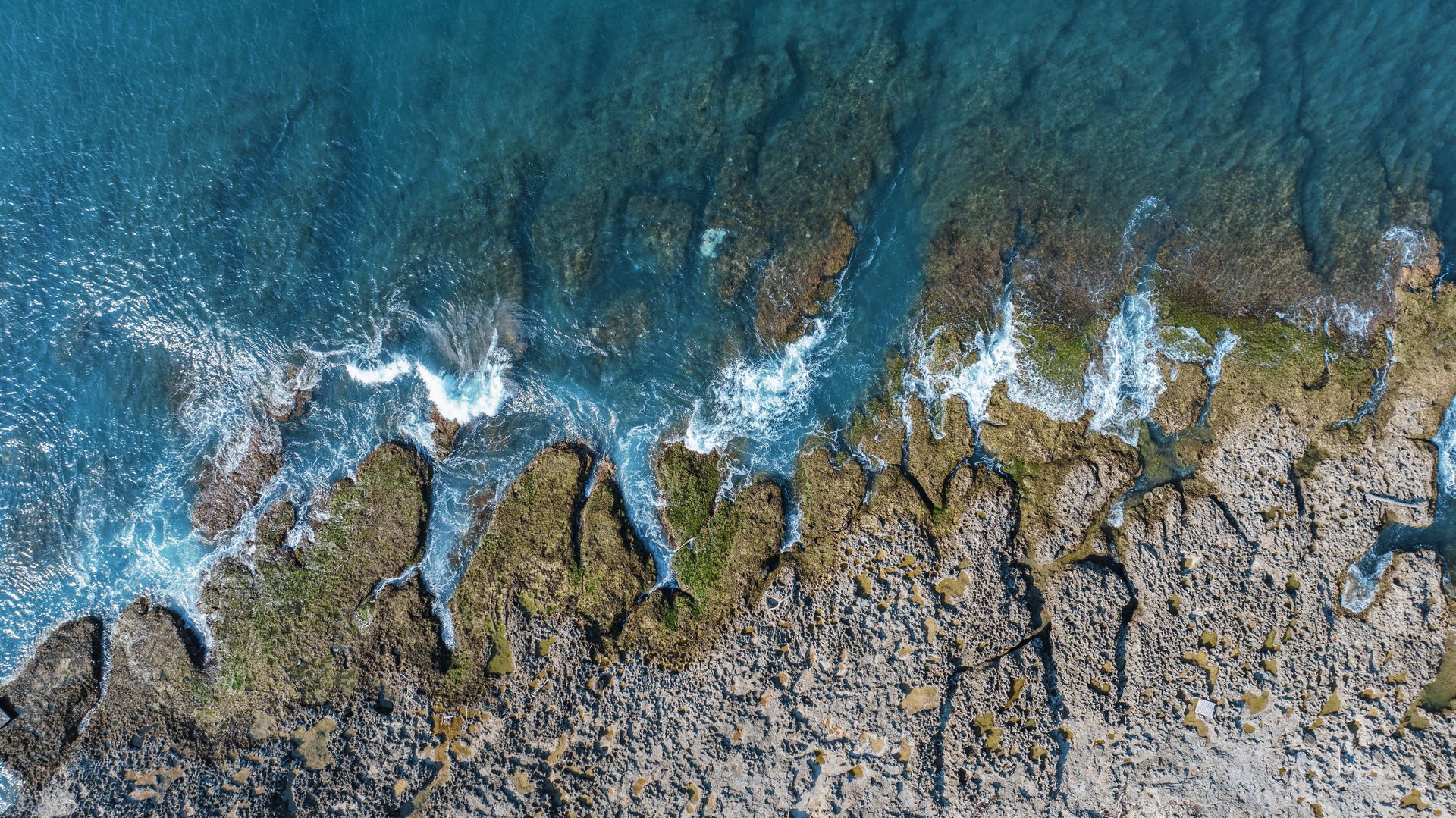

⊙Taiwan Satoyama Sustainable Innovation Alliance
Community forestry and the Satoyama Initiative have become important ways of thinking and practice that connect biodiversity conservation, local revitalization and community sustainable development. In order to integrate the power of policy innovation and local practice, the "Taiwan Alliance of Satoyama Innovation for Sustainability (TASIS)" was jointly launched by Professor Li Guangzhong of National Dong Hwa University, Professor Chen Meihui of National Pingtung University of Science and Technology, Teacher Huang Xinxun of Dharma Drum College of Liberal Arts, Group Leader Xue Meili of the Institute of Biodiversity Research, Ministry of Agriculture, and community organization leaders from all over the country who have long been engaged in community forestry, Satoyama Initiative, community building, environmental education, rural regeneration and local revitalization.
origin
Origin↘
origin
Origin
1992
International adoption of the Convention on Biological Diversity
Guided by a global mindset regarding biodiversity conservation, Taiwan launched its Community Forestry Program in 2002.
Promote community participation in biodiversity conservation through community building practices.
2010
Taiwan promulgates Environmental Education Act and Rural Recycling Regulations
At the end of the same year, the concept of the international Satoyama Initiative was introduced, with the core spirit of preserving and utilizing socio-ecological production landscapes and seascapes (SEPLS).
We hope to realize the vision of harmonious coexistence between humanity and nature.

2018
Taiwan enacts Organic Agriculture Promotion Act
To protect the ecological environment and biodiversity, and to promote environmentally friendly agriculture and sustainable resource utilization, the government launched the National Ecological Conservation Green Network Construction Plan in the same year.
The goal is to weave a green ecological network across the land, from forests to coastlines, that harmonizes production, life, and ecology.
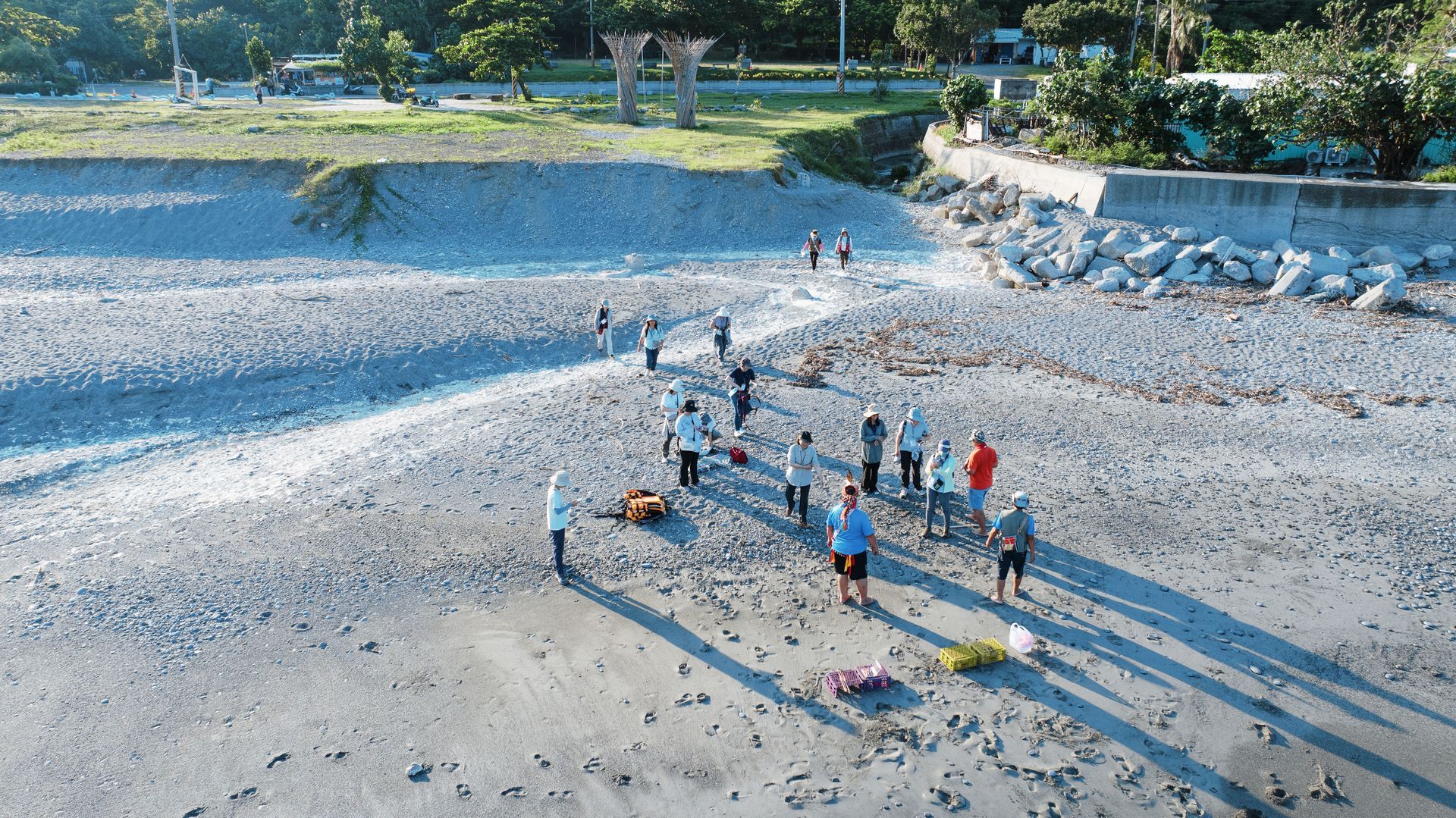
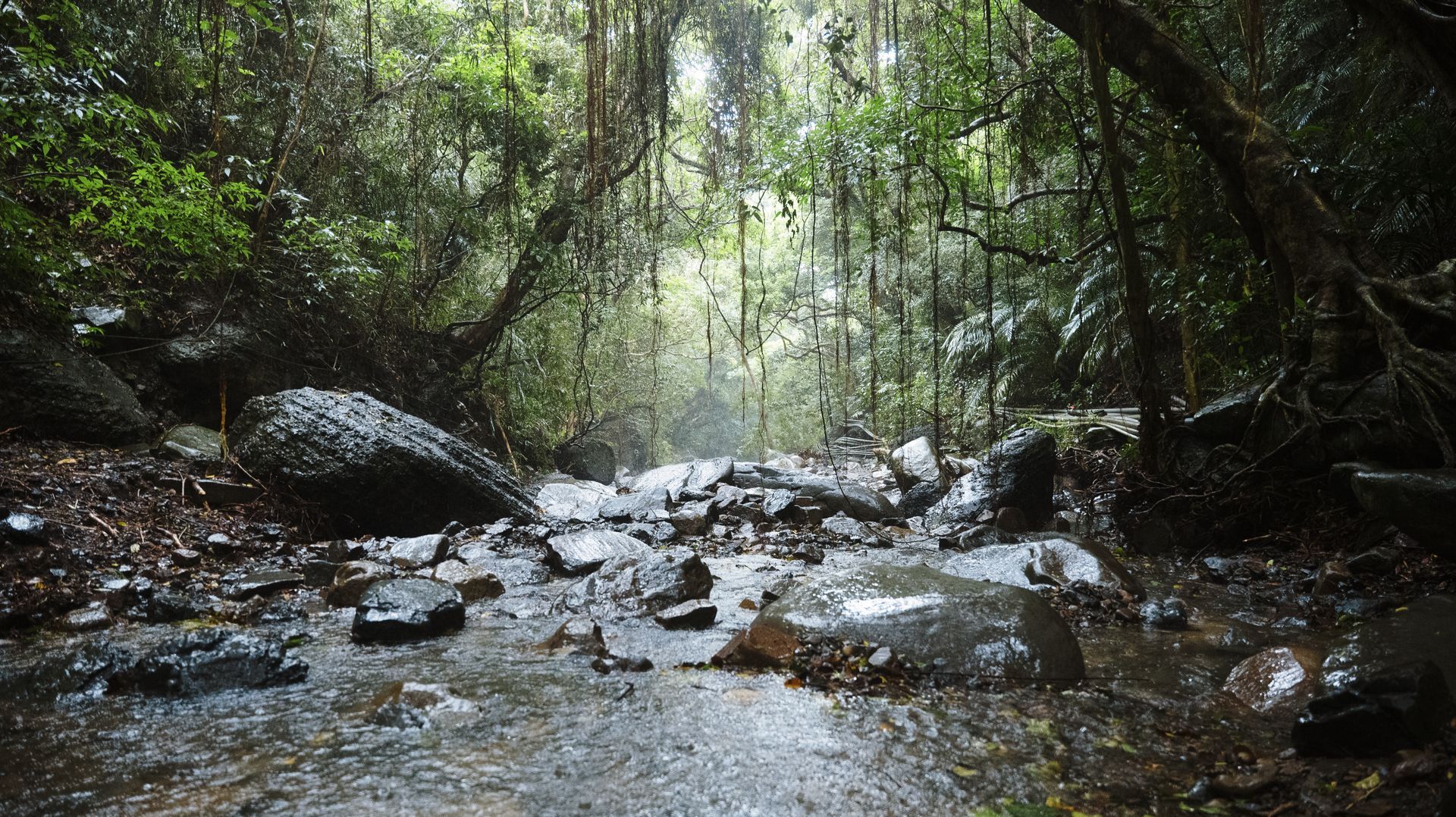
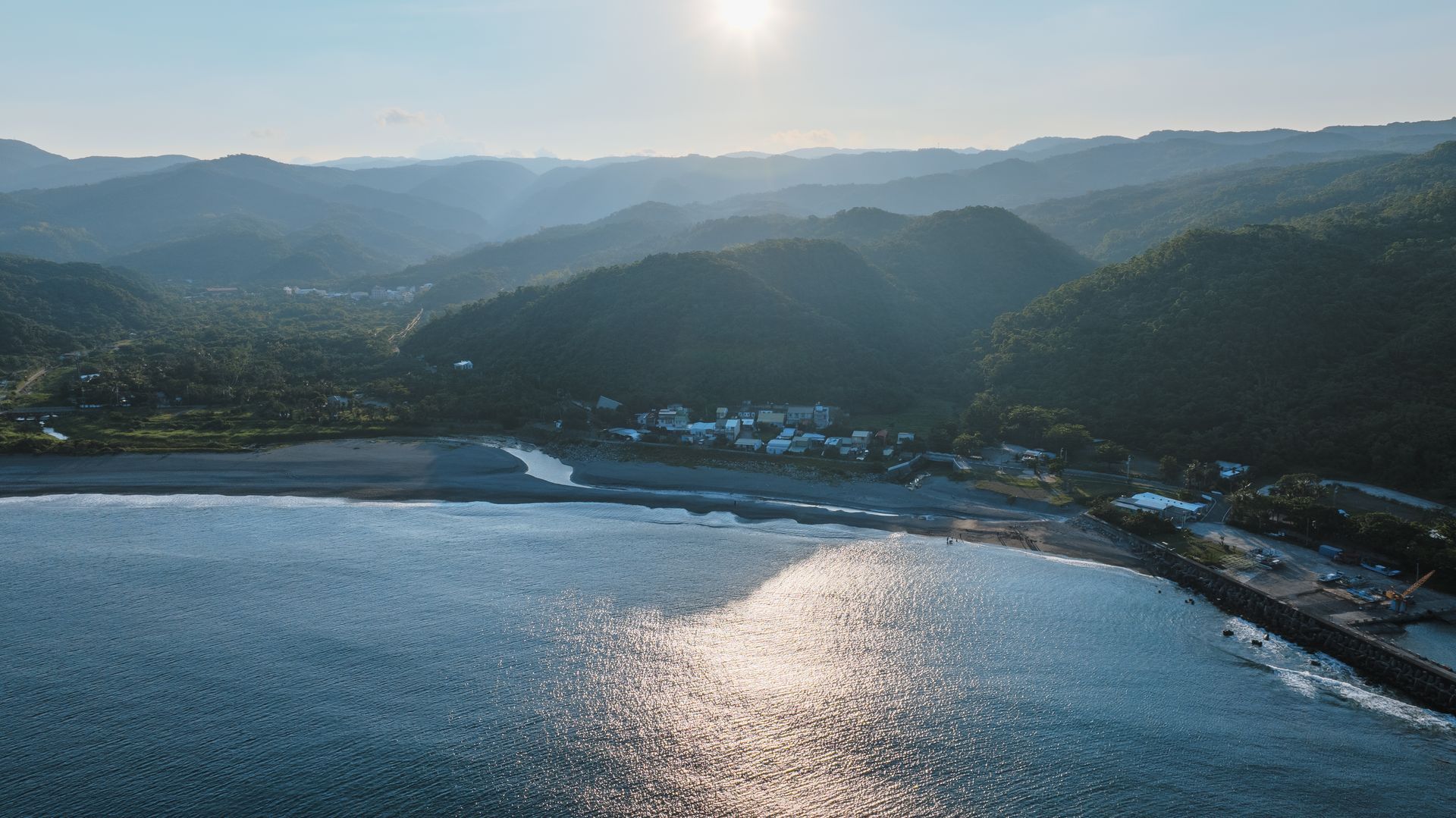
From the 2019 Local Revitalization Policy, the 2022 Food and Agriculture Education Act, to the 2023 Climate Change Response Act, these international trends and policies all reveal the true meaning of environmental sustainability, biodiversity, and harmonious coexistence between humanity and nature.
Local action on biodiversity and climate change has been developing for over 20 years, and has gradually taken shape across Taiwan in terms of biodiversity conservation and sustainable resource utilization. This is a valuable asset for society.
However, the sustainable development of Satoyama and Satoyama still faces many challenges. Looking to the future, we must strengthen knowledge sharing and exchange, promote cooperation among partners, guide the public to understand Satoyama and Satoyama, and make policies and regulations more comprehensive in their focus on the sustainable development of Satoyama and Satoyama.
The alliance was established in the hope of building upon past achievements, continuing to deepen cooperation, and combining the strengths of all sectors to work together for the sustainability of Taiwan's Satoyama and Caspian Sea, and to create a shared vision of a sustainable island for Taiwan.