2026 Mar 11

【臺日里山共學新路徑】日本龍谷大學師生|澀水社區實地走讀紀錄

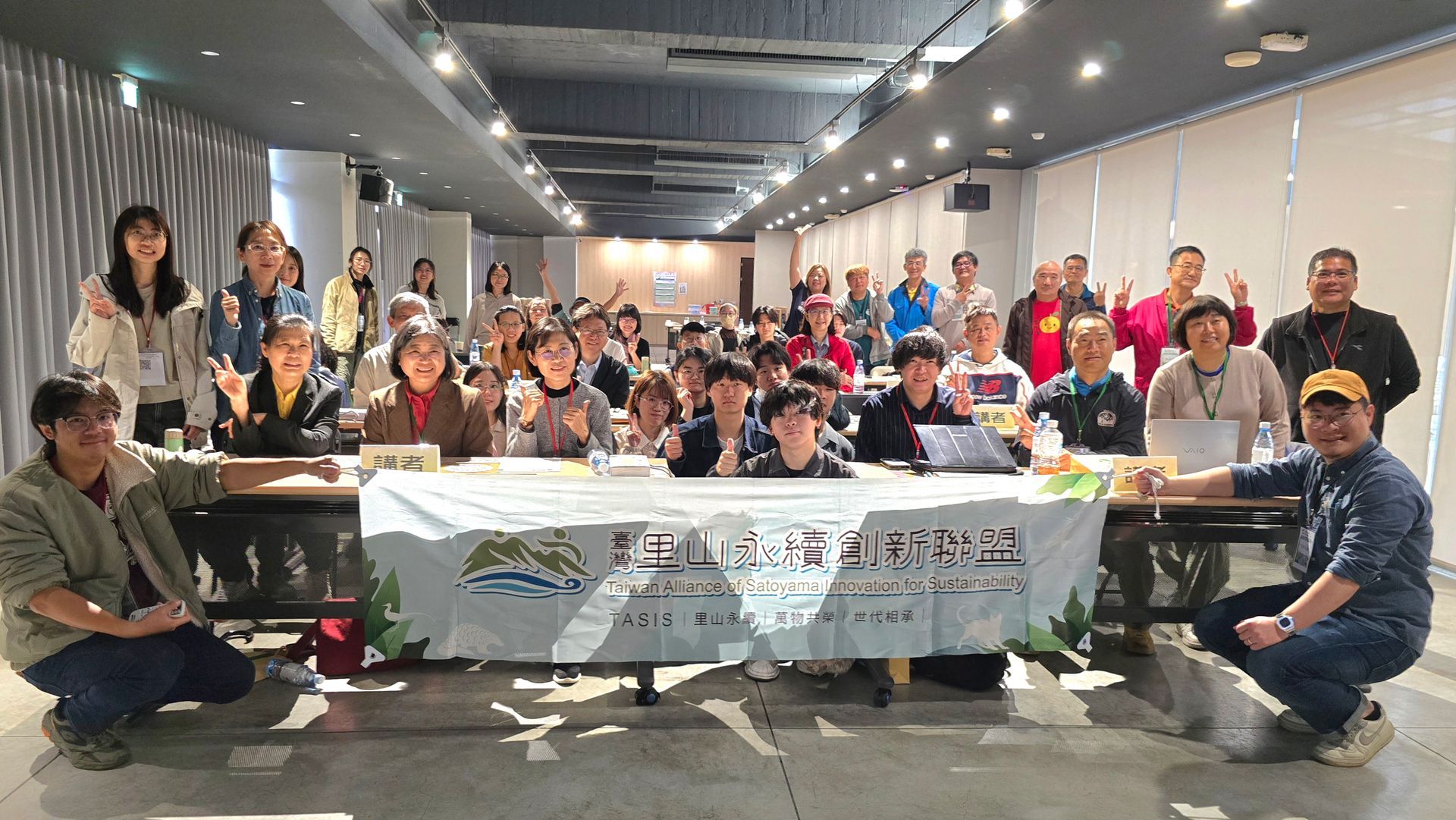
在全球生物多樣性框架(Global Biodiversity Framework, GBF)推動「30x30」目標的浪潮下,農業部生物多樣性研究所、林業及自然保育署、臺灣里山永續創新聯盟(TASIS)2月27日至28日,於南投澀水社區隆重舉辦本次臺灣里山實務工作者暨臺日里山實踐交流研討會。

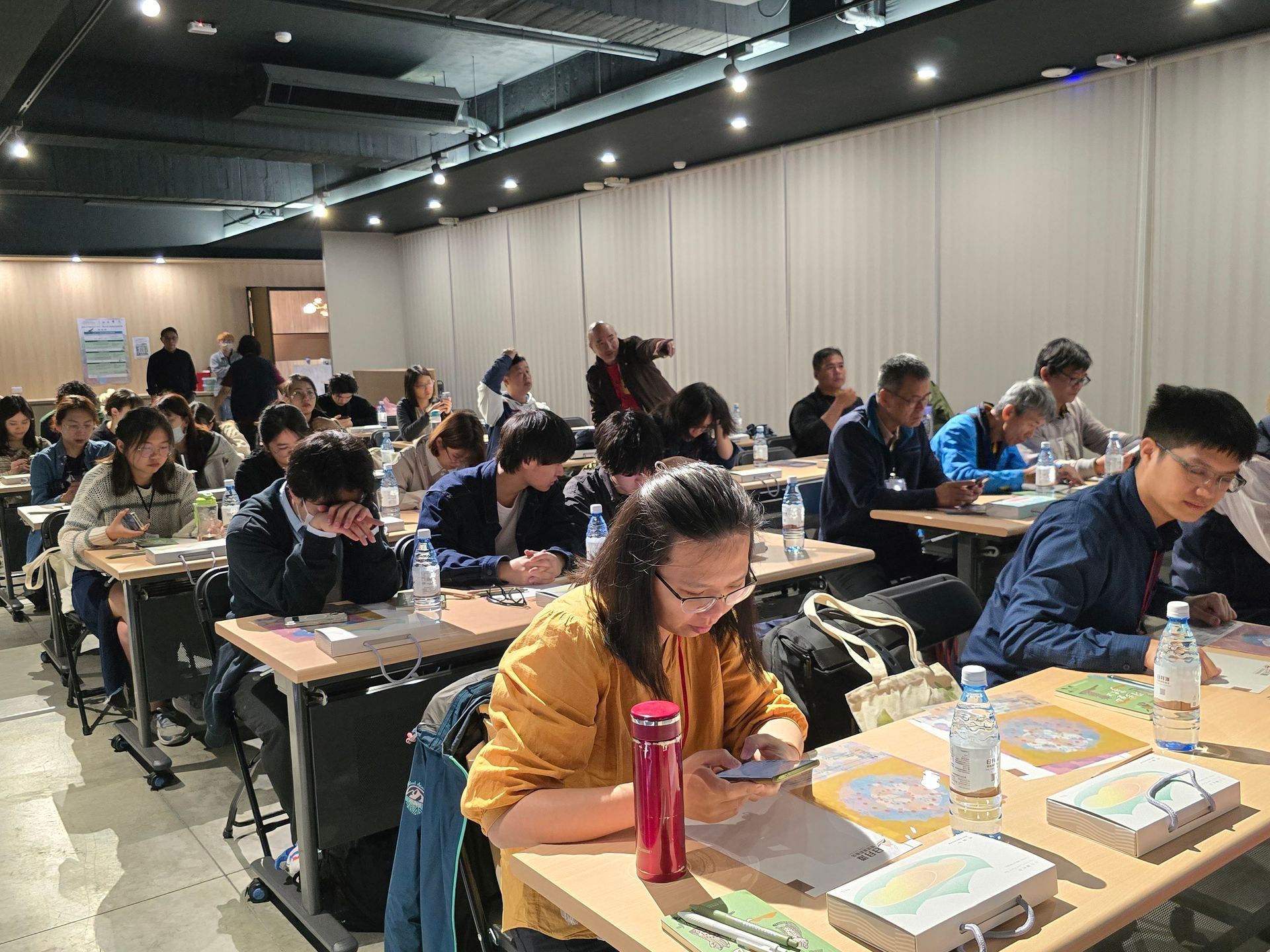
自2010年里山倡議引入臺灣,透過不斷地實踐與深化,成為國際交流的生態文化軟實力。這次由日本非常具代表性的里山學實踐研究重鎮-日本龍谷大學政策學部金紅実教授與石原凌河教授,率領16位師生團組跨海來臺交流,與臺灣里山專家學者李光中教授、陳美惠教授,黃信勳教授、生多所薛美莉組長,以及來自林業保署,各地長期投入里山永續工作的社區領導人,六十多人齊聚大雁村澀水社區及桃米社區兩個經典山村,展開為期兩天的深度實地交流與學術研討,由林業保育署保育南投分署副分署長,將於3/10榮升林業保育署保育管理組的王怡靖組長特地前來主持研討會開幕。

此次會議是臺日雙方在里山實踐上的深度結盟,旨在透過國際視野與在地觀察,共同探索「社會-生態-生產地景與海景」的保全活用與里山永續發展。

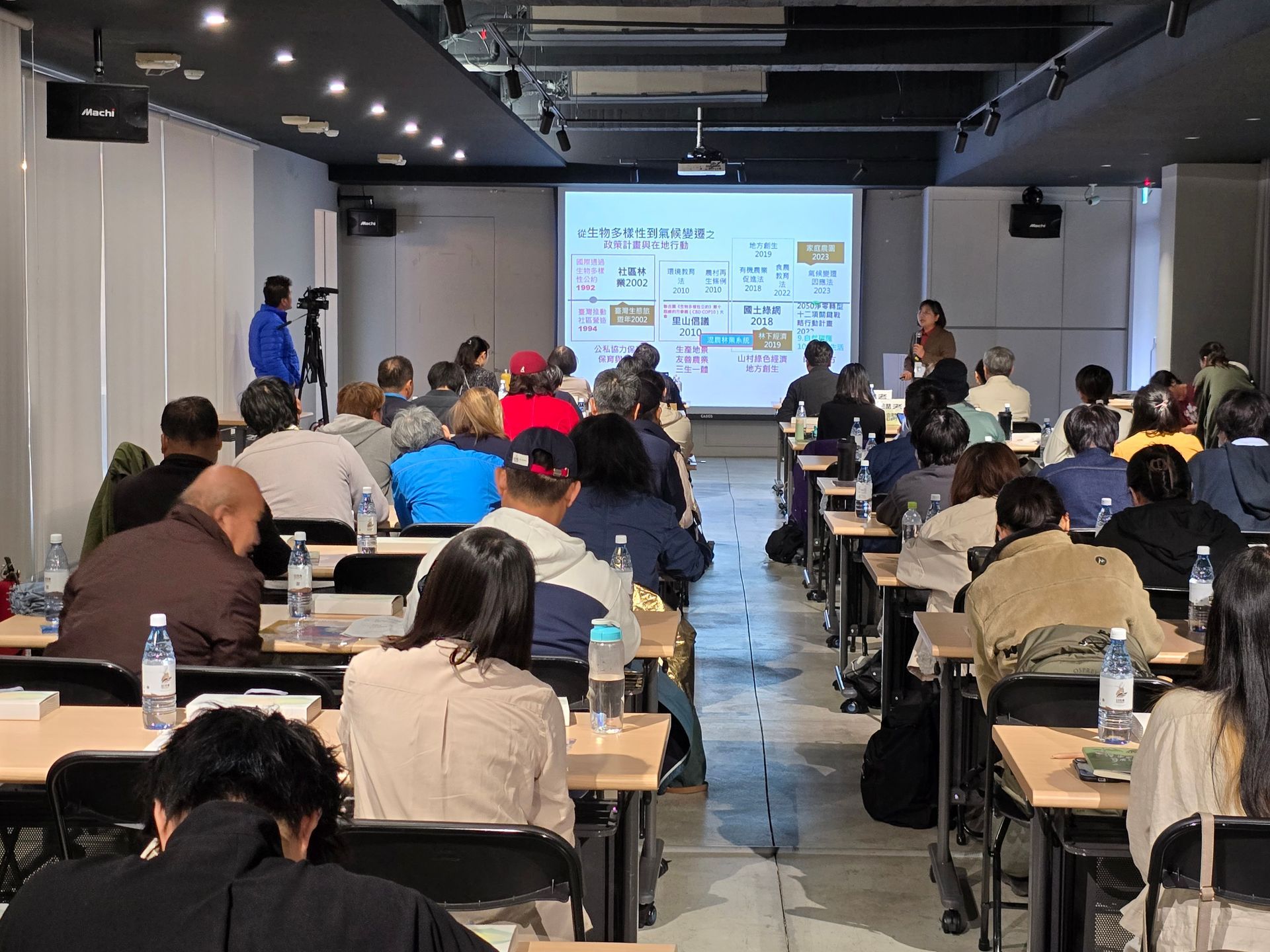
本次跨國學術交流,分享在生物多樣性與氣候變遷之下的里山韌性治理。研討會匯聚了臺日兩國在里山領域的重量級學者,針對不同面向提出深度論述:

1.  臺灣里山永續創新聯盟理事長 陳美惠教授:以「臺灣里山為保育共生地之基石」為題,探討臺灣如何透過聯盟機制,將在地農業景觀轉化為具備保育功能的共生地,為臺灣接軌國際 OECMs(保育共生地)奠定基礎。

2.  日本龍谷大學 金紅実教授:分享「日本及龍谷大學保育共生地認證方案」,詳述日本如何透過認證機制量化里山價值,提升企業與民間參與保育的誘因。

3.  日本龍谷大學 石原凌河教授:聚焦於「自然保育、防災與減災」的整合,分享如何利用里山森林的生態功能作為自然解方(NbS),降低極端氣候帶來的災害風險。

4.  從生態到產業:精準實踐的臺灣經驗

5.  多位專家亦針對臺灣在地的生態保育與經濟轉型發表成果:

6.  新故鄉文教基金會 顏新珠前執行長:分享大埔里地區「纖紅蜻蜓」的保育歷程,展現棲地守護如何轉化為社區認同感。

7.  暨南國際大學 蔡培慧副教授:探討如何將里山倡議轉化為「具溫度的永續農遊」,讓里山成為地方創生的核心推力。

臺中科技大學 林銘昌副教授:剖析「里山農村社區企業經營」,指出唯有建立穩健的社會企業模式,社區的自主保育行動才能永續循環。
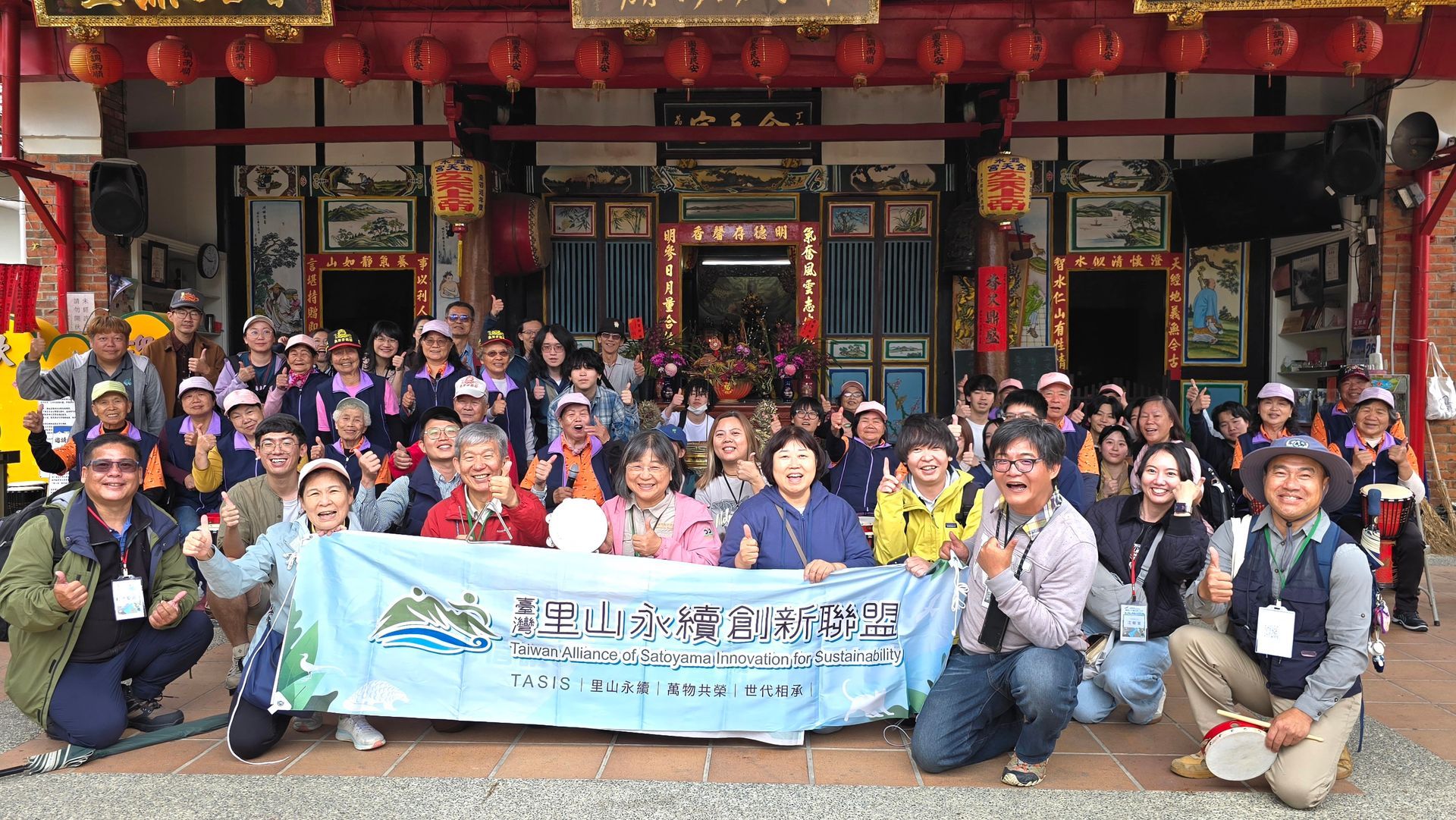
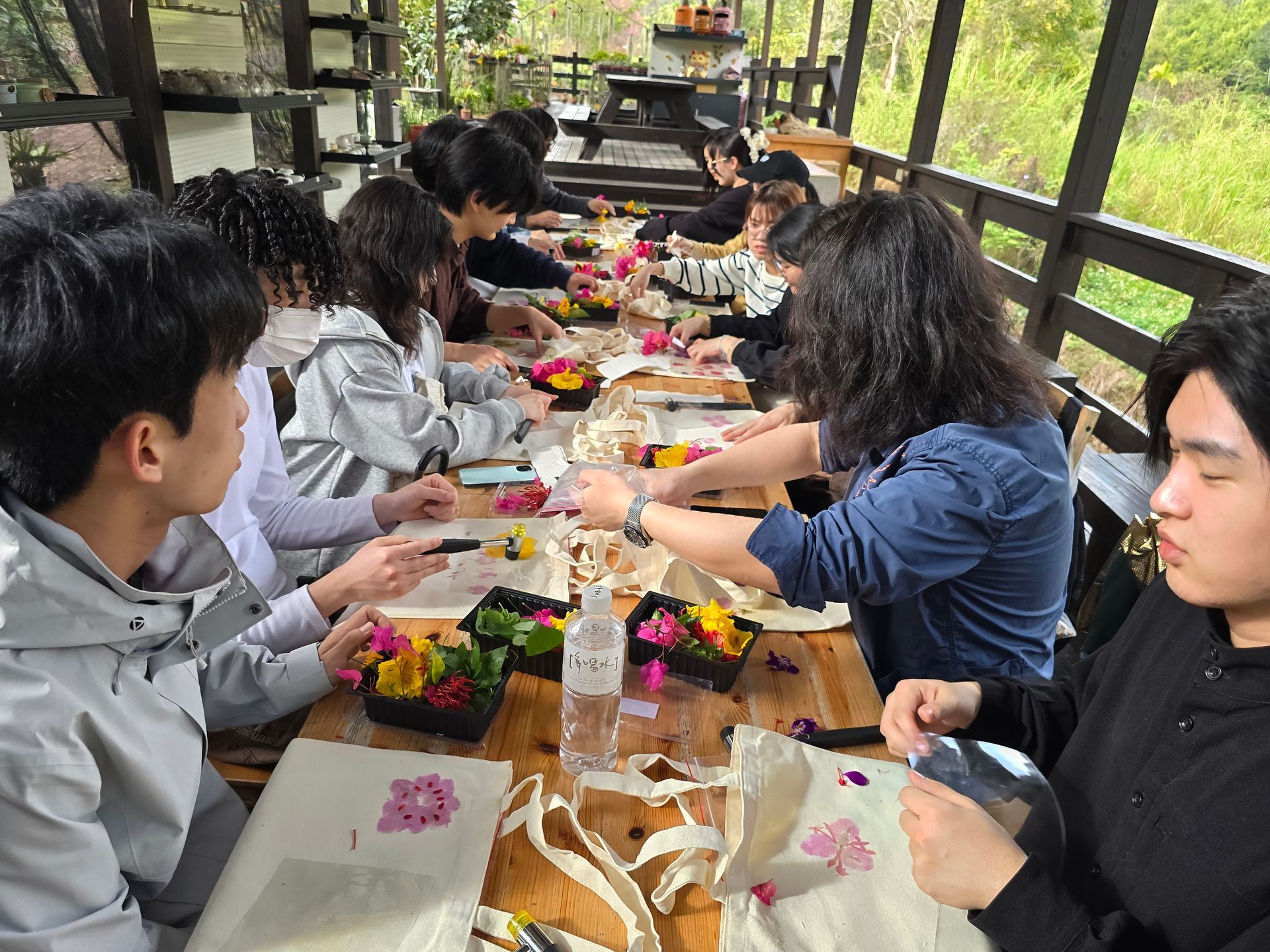
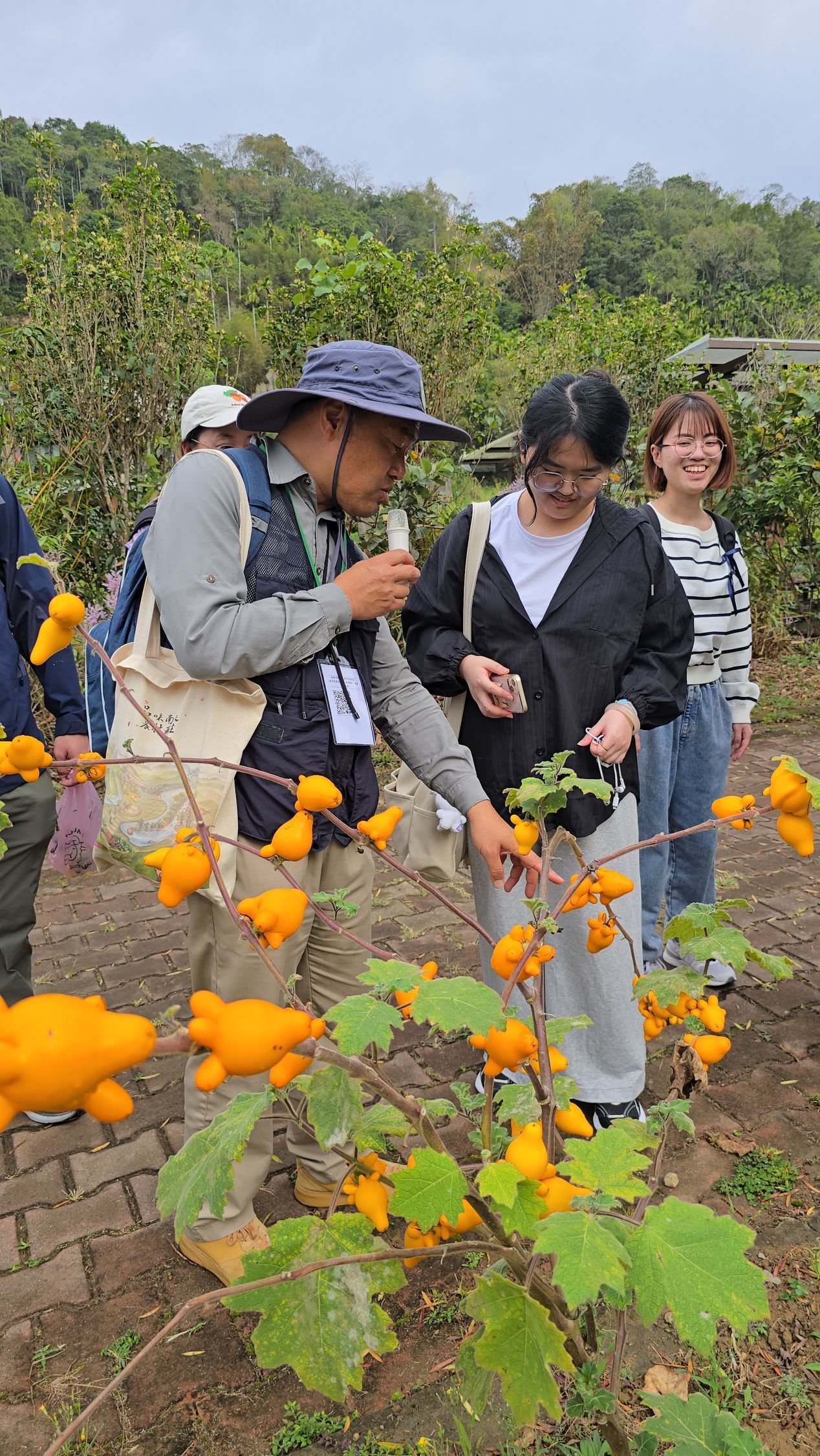
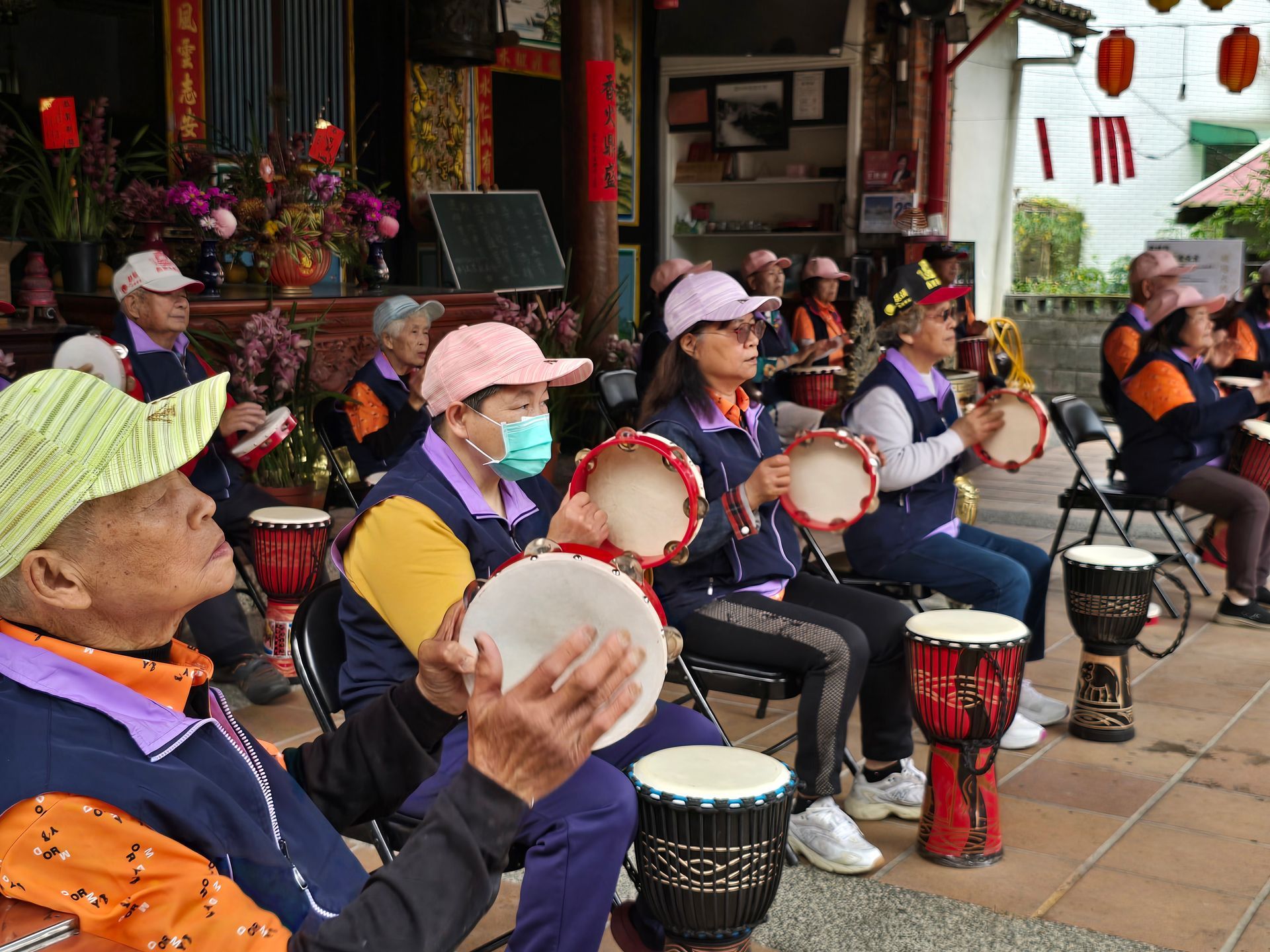
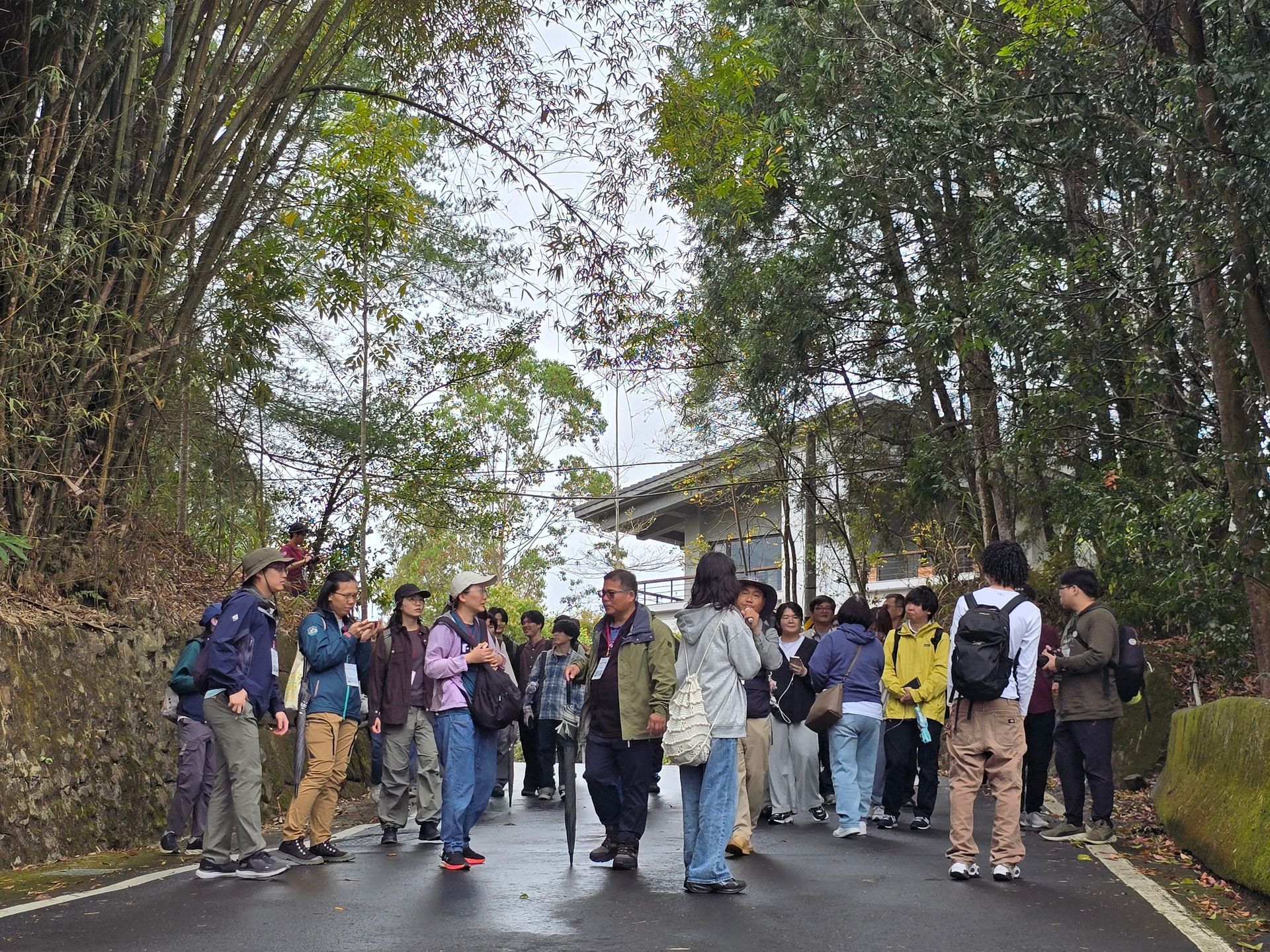
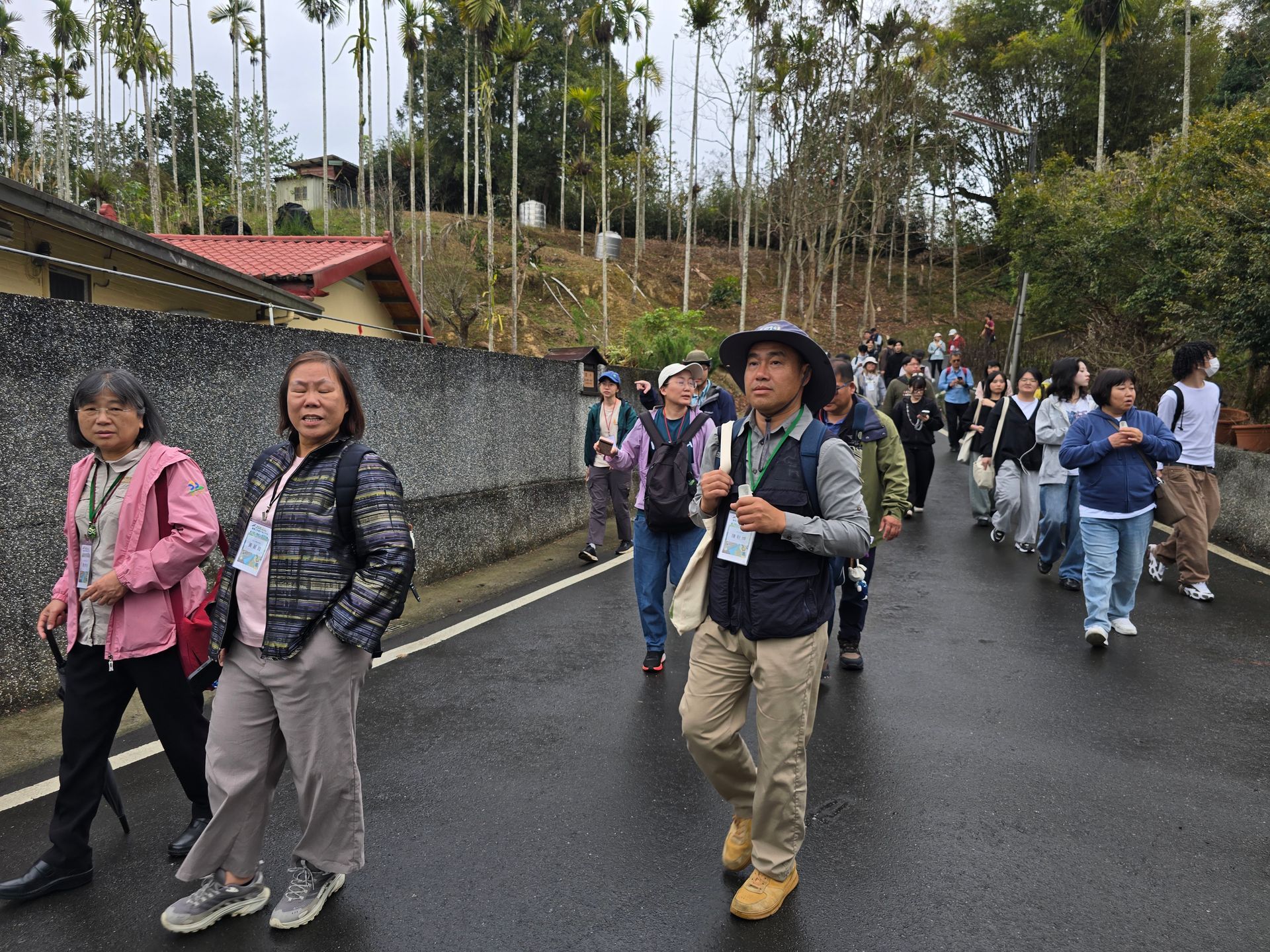
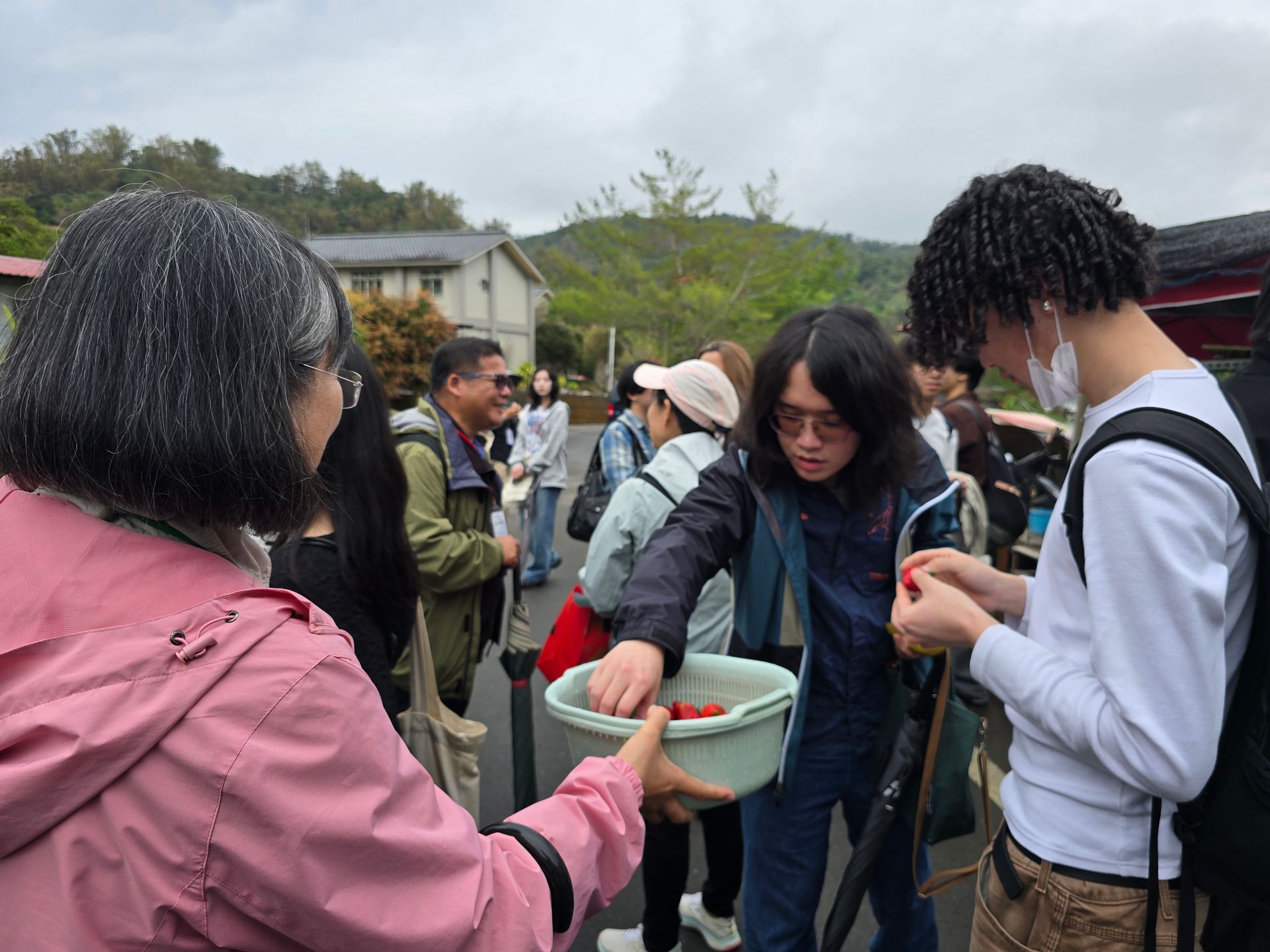
首日活動透過實地走讀,感受南投里山脈動。臺日雙方夥伴深入大雁村澀水社區與桃米社區進行走讀。透過澀水社區的里山產業導覽解說,植物槌染 DIY 課程,以及桃米社區著名的風味晚餐,龍谷大學師生與在地實務工作者直接對話,見證了林保署「社區林業計畫」長期耕耘的成果。

主辦本次活動的生多所薛美莉組長、大雁休閒農業區發展協會陳秋坤理事長共同表示,研討會不僅是學術發表,更是建立臺日長期合作平台的重要里程碑。未來 TPSI 將持續串聯產、官、學、民,共同守護臺灣珍貴的里山地景,向國際社會展示臺灣在社會、生態與生產三位一體的卓越實踐。

2026 Mar 7
Written by Mei-Hui Chen. Image credit: Visitors playing with leaf boats in the Laonong stream – a traditional childhood game of the Luigui locals. Photo courtesy of the author. What is an Ecotourism Destination Marketing Organisation (DMO)?  Satoyama-satoumi landscapes and seascapes are ideal destinations for community-based ecotourism. For the past 20 years, Taiwan has been actively promoting ecotourism in rural areas. It aims to support biodiversity conservation, preserve cultural heritage, and promote sustainable local livelihoods. Over time, however, it has become clear that the diversity of tours and products, as well as the marketing capacity of a single community, is rather limited. This has affected the overall progress of community-based ecotourism development in the country. To address this challenge, the ecotourism trend has been gradually shifting from individual communities to the promotion of regional partnership networks in recent years. This innovative shift raises an important question: how can stakeholders —including communities, government agencies, and tourism professionals—effectively coordinate to link ecotourism destinations, facilitate exchanges across itineraries, products, services, talents, space, and expertise, and jointly build a community-based ecotourism industry? This is when ecotourism DMOs (Destination Marketing Organisations) can be a good solution. DMO s serve as a mechanism that engages government agencies, local stakeholders, and tourism professionals to collaborate on achieving a shared vision for tourism development. It integrates natural, human, administrative, financial, and other types of available resources to support a long-term goal of sustainable local development. DMOs need to coordinate across multiple stakeholders and have the ability to interpret data and manage knowledge to play a strategic role in the fiercely competitive tourism market. In general, DMOs are ‘integrated leaders’ of tourism destinations and need to work at multiple levels, including strategy, governance, branding, marketing, and sustainability, to achieve overall development of regional ecotourism. Since the introduction of the Community Forestry project in 2002, our team from the National Pingtung University of Science and Technology has been supporting satoyama and satoumi communities in southern Taiwan and nationwide in the development of their community-based ecotourism DMOs. The story of the Shih-ba-luo-han-shan Forest Reserve and its community efforts is one of the brightest examples of Taiwan’s regional DMOs to date. Community Participation in the Management of the Shih–ba–luo–han-shan Forest Reserve The Shih-ba-luo-han-shan mountain range is located in Luigui District, Kaohsiung City, southern Taiwan. It consists of several kilometres of independent peaks with unique shapes, forming many U-shaped valleys, canyons, peaks, meanders, and dry valleys. The Forestry and Nature Conservation Agency (FANCA), Ministry of Agriculture, established the Shih-ba-luo-han-shan Forest Reserve in 1992 to protect this unique geo-ecological landscape. This beautiful mountain range had always had an important collective memory in the eyes of the locals. However, after the establishment of the nature reserve, the local people lost access to it, which led to opposition and conflict with the management authority.
2025 Apr 15
位於屏東恆春半島的社頂部落,1984年被劃入墾丁國家公園,國家公園的保 護利用管制原則,直接衝擊在地居民傳統的狩獵採集。早期部落居民與政府機關 關係緊張,但在墾丁國家公園管理處輔導下,社頂部落卻成為南臺灣第一個成功 推動生態旅遊、實踐「社區林業」(Community Forestry)理念的社區。
Show More
2026 Mar 7
Written by Mei-Hui Chen. Image credit: Visitors playing with leaf boats in the Laonong stream – a traditional childhood game of the Luigui locals. Photo courtesy of the author. What is an Ecotourism Destination Marketing Organisation (DMO)?  Satoyama-satoumi landscapes and seascapes are ideal destinations for community-based ecotourism. For the past 20 years, Taiwan has been actively promoting ecotourism in rural areas. It aims to support biodiversity conservation, preserve cultural heritage, and promote sustainable local livelihoods. Over time, however, it has become clear that the diversity of tours and products, as well as the marketing capacity of a single community, is rather limited. This has affected the overall progress of community-based ecotourism development in the country. To address this challenge, the ecotourism trend has been gradually shifting from individual communities to the promotion of regional partnership networks in recent years. This innovative shift raises an important question: how can stakeholders —including communities, government agencies, and tourism professionals—effectively coordinate to link ecotourism destinations, facilitate exchanges across itineraries, products, services, talents, space, and expertise, and jointly build a community-based ecotourism industry? This is when ecotourism DMOs (Destination Marketing Organisations) can be a good solution. DMO s serve as a mechanism that engages government agencies, local stakeholders, and tourism professionals to collaborate on achieving a shared vision for tourism development. It integrates natural, human, administrative, financial, and other types of available resources to support a long-term goal of sustainable local development. DMOs need to coordinate across multiple stakeholders and have the ability to interpret data and manage knowledge to play a strategic role in the fiercely competitive tourism market. In general, DMOs are ‘integrated leaders’ of tourism destinations and need to work at multiple levels, including strategy, governance, branding, marketing, and sustainability, to achieve overall development of regional ecotourism. Since the introduction of the Community Forestry project in 2002, our team from the National Pingtung University of Science and Technology has been supporting satoyama and satoumi communities in southern Taiwan and nationwide in the development of their community-based ecotourism DMOs. The story of the Shih-ba-luo-han-shan Forest Reserve and its community efforts is one of the brightest examples of Taiwan’s regional DMOs to date. Community Participation in the Management of the Shih–ba–luo–han-shan Forest Reserve The Shih-ba-luo-han-shan mountain range is located in Luigui District, Kaohsiung City, southern Taiwan. It consists of several kilometres of independent peaks with unique shapes, forming many U-shaped valleys, canyons, peaks, meanders, and dry valleys. The Forestry and Nature Conservation Agency (FANCA), Ministry of Agriculture, established the Shih-ba-luo-han-shan Forest Reserve in 1992 to protect this unique geo-ecological landscape. This beautiful mountain range had always had an important collective memory in the eyes of the locals. However, after the establishment of the nature reserve, the local people lost access to it, which led to opposition and conflict with the management authority.
2025 Apr 15
位於屏東恆春半島的社頂部落,1984年被劃入墾丁國家公園,國家公園的保 護利用管制原則,直接衝擊在地居民傳統的狩獵採集。早期部落居民與政府機關 關係緊張,但在墾丁國家公園管理處輔導下,社頂部落卻成為南臺灣第一個成功 推動生態旅遊、實踐「社區林業」(Community Forestry)理念的社區。
Show More

Share this article